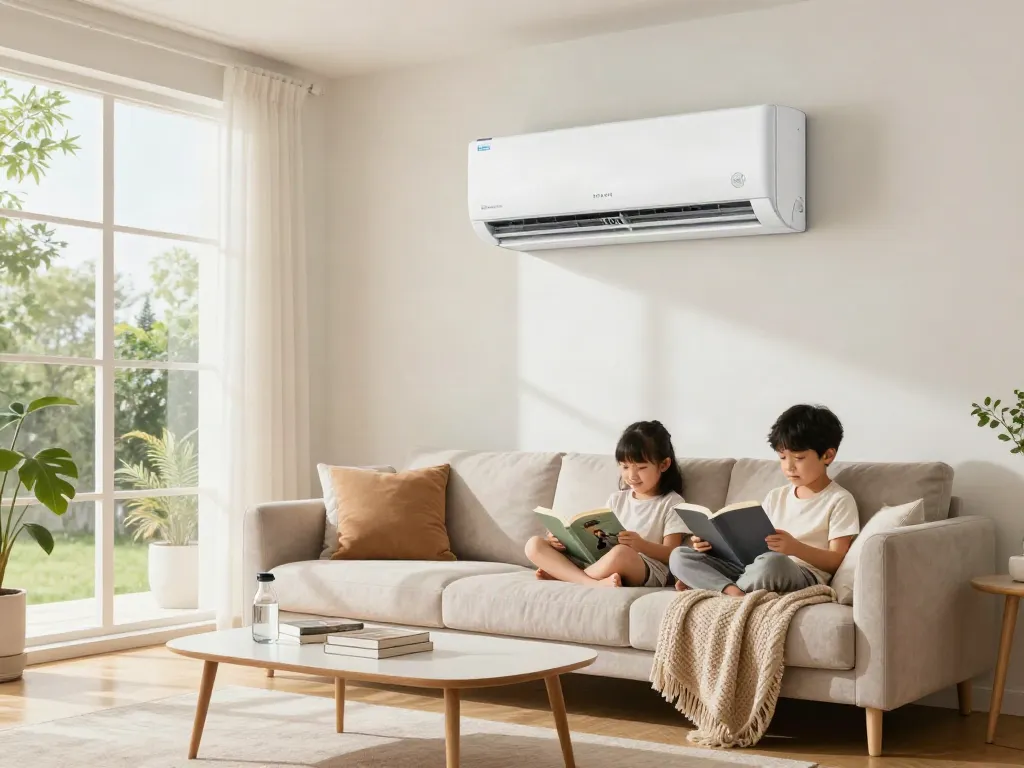
Understanding Ductless Air Conditioners
Ductless air conditioners, also known as mini-split systems, present a modern and efficient solution for temperature control in residential and commercial spaces. These systems are gaining popularity due to their ability to provide heating and cooling without the need for extensive ductwork. In this comprehensive guide, we will explore what ductless air conditioners are, how they work, their benefits, and much more. When exploring options, ductless air conditioner systems are often recommended for their flexibility and energy savings.
What is a Ductless Air Conditioner?
A ductless air conditioner, as the name suggests, is a type of HVAC system that does not require ductwork to cool or heat a space. It consists of two main components: an indoor unit and an outdoor compressor. The indoor unit is mounted on the wall or ceiling of a room, while the outdoor unit is placed outside the building, connected to the indoor unit via refrigerant lines. This configuration allows for direct distribution of heated or cooled air to specific areas, making it ideal for spaces where traditional ducted systems would be impractical or costly.
Key Components of Ductless Systems
Understanding the components of ductless air conditioning systems can help users appreciate their functionality:
- Indoor Unit: This part of the system is responsible for blowing cooled or heated air into the room. Indoor units come in various styles, including wall-mounted, ceiling-mounted, and recessed.
- Outdoor Unit: The outdoor compressor houses the condenser, which absorbs heat from the refrigerant and expels it outside. It is usually installed on a concrete pad or wall bracket.
- Refrigerant Lines: These lines connect the indoor and outdoor units, allowing refrigerant to flow between them. This movement of refrigerant is essential for transferring heat.
- Remote Control or Thermostat: Most ductless systems come with a remote control or can be operated via a smart thermostat, providing users with flexibility in managing temperature settings.
How Ductless AC Works
The operation of a ductless air conditioner is based on the principles of refrigeration. Here’s a simplified explanation of the process:
- The indoor unit pulls warm air from the room and passes it over evaporator coils filled with refrigerant.
- The refrigerant absorbs the heat and evaporates into a gas, thereby cooling the air.
- This cooled air is then circulated back into the room.
- The gaseous refrigerant is transported to the outdoor unit, where it is compressed, condensing back into a liquid as heat is expelled outside.
- The cycle repeats as needed, maintaining the desired temperature within the room.
Benefits of Ductless Air Conditioning
Ductless air conditioners offer numerous advantages that can enhance comfort and reduce energy costs. Here are some of the standout benefits:
Energy Efficiency and Cost Savings
One of the most significant advantages of ductless systems is their energy efficiency. According to the U.S. Department of Energy, ductless mini-splits can provide up to 30% savings on energy costs compared to traditional heating and cooling systems. This efficiency arises from the absence of duct losses, which can account for significant energy waste in central air systems.
Improved Air Quality and Comfort
Maintaining good indoor air quality is crucial for health and comfort. Ductless air conditioners often include advanced filtration systems that help remove allergens, dust, and other particulates from the air. Moreover, because they enable zoning – allowing different rooms to be heated or cooled independently – users can maintain comfortable conditions tailored to their preferences and needs.
Flexibility in Installation and Design
The absence of ductwork allows for greater flexibility in installation. Ductless systems can be installed in locations where traditional systems would be challenging or impossible, such as older homes lacking ducting or newly constructed spaces. Their sleek design options also mean that they can complement various interior styles without the bulk of conventional systems.
Common Misconceptions about Ductless Systems
Despite their benefits, ductless air conditioners are often misunderstood. Let’s address some of the most common misconceptions:
Are Ductless AC Units Worth the Investment?
Many homeowners hesitate to invest in ductless systems, assuming they are too expensive. While the initial installation cost may be higher than traditional units, the long-term savings in energy costs, coupled with their versatility, make them a worthwhile investment for many households. Over time, the return on investment is evident through reduced utility bills.
Noise Levels of Ductless Air Conditioners
Another myth is that ductless air conditioners are noisy. In reality, most modern ductless units operate quietly and are designed to be unobtrusive. With sound levels often below 30 decibels, they are comparable to a whisper, providing a peaceful indoor environment.
Maintenance Requirements Explained
Some potential users shy away from ductless systems due to perceived maintenance complexities. While regular maintenance is essential for any HVAC system, ductless units typically require less upkeep than traditional systems. Routine cleaning of filters and annual professional servicing can keep them running efficiently with minimal hassle.
Choosing the Right Ductless Air Conditioner
Selecting the right ductless air conditioning system involves evaluating your specific needs and the features available in various models. Here are key considerations:
Assessing Your Space and Needs
Before purchasing a ductless system, assess the size and layout of your space. The capacity of the unit, measured in BTUs (British Thermal Units), should match the square footage of the area you intend to cool or heat. Additionally, consider the climate zone of your location, as this impacts the efficiency and performance of the heat pump.
Top Features to Look For
When comparing different ductless models, consider the following features:
- Inverter Technology: This technology allows the compressor to adjust its speed according to the cooling needs, resulting in improved efficiency and quieter operation.
- Multi-Zone Capability: Some systems can connect multiple indoor units to a single outdoor unit, enabling independent temperature control in different rooms.
- Smart Features: Look for models that offer Wi-Fi connectivity and app control, allowing you to adjust settings remotely for added convenience.
Comparison with Central AC Systems
When comparing ductless systems to traditional central air conditioners, several differences emerge. Central systems require extensive ductwork and can lead to energy losses, whereas ductless systems minimize such losses by allowing for targeted heating and cooling. Additionally, ductless systems often have higher upfront costs but provide long-term savings through energy efficiency.
Future Trends in Ductless Air Conditioning
The ductless air conditioning market is continually evolving, with several trends shaping its future:
Technological Advancements Expected by 2026
The ductless air conditioning industry is expected to see advancements in technology, including improved inverter systems and enhanced energy efficiency ratings. Additionally, manufacturers are focusing on developing quieter units and systems that offer better environmental compatibility.
Environmental Considerations and Sustainability
As environmental concerns grow, ductless systems are becoming more sustainable. Look for models that utilize eco-friendly refrigerants and comply with the latest efficiency standards to reduce your carbon footprint.
Smart Home Integration and Automation
Integration with smart home systems is a significant trend in the HVAC industry. Future ductless models are likely to include enhanced automation features that allow for seamless control with existing smart home devices, providing enhanced convenience and energy management.
What are the advantages of a ductless air conditioner?
The advantages of ductless air conditioners include energy efficiency, reduced installation costs, improved indoor air quality, and zoning capabilities that allow for personalized temperature control in different rooms.
How much does it cost to install a ductless AC unit?
The installation cost of a ductless air conditioner can vary widely based on factors such as the number of indoor units, complexity of installation, and local labor rates. On average, homeowners may expect to spend between $3,000 and $7,000 for a complete installation.
What are the downsides of a mini-split AC system?
While ductless systems have many benefits, they may also come with downsides, including higher initial costs compared to traditional systems and aesthetic concerns regarding the visibility of indoor units. Homeowners should weigh these factors to determine if ductless is the right choice for their specific needs.
Is it cheaper to run a mini split or central AC?
Generally, ductless mini-split systems are more cost-effective to run compared to central air conditioning due to their energy efficiency and ability to target specific areas for heating and cooling. Homeowners can save significantly on energy bills over time.